

From Bucharest’s Old Town, the National Museum of Romanian History offers a look at the country’s past inside the former Palace of the Posts. Its permanent highlights include the Historical Treasure, a full-size replica of Trajan’s Column and the Lapidarium.
- Address: Calea Victoriei 12, Sector 3, Bucharest 030026, Romania.
- Permanent exhibitions: the Historical Treasure, Trajan’s Column Replica and the Lapidarium.
- Getting there: Universitate and Piața Unirii are nearby metro stations.
- Opening pattern: Open Wednesday to Sunday; closed Monday and Tuesday
Where is the National Museum of Romanian History?
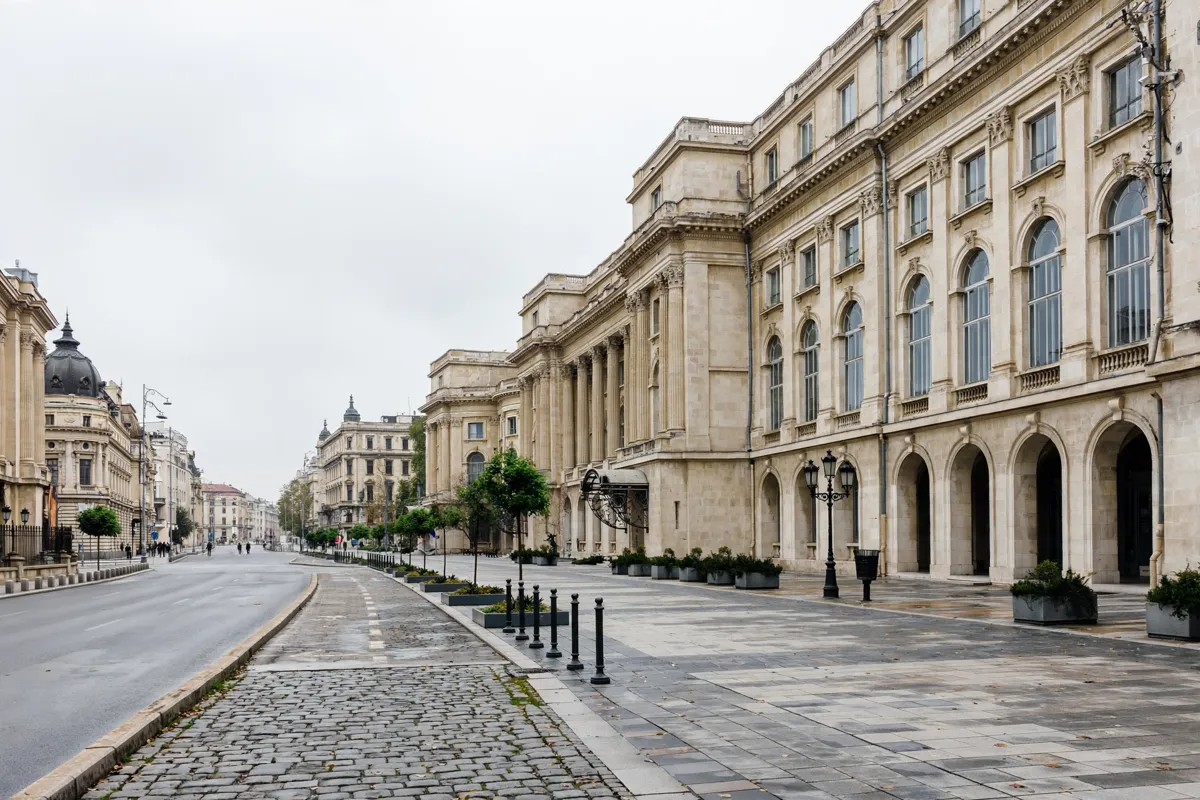
The National Museum of Romanian History stands on Calea Victoriei in Bucharest’s historic Old Town. The museum occupies the former Palace of the Posts, a building designed by architect Alexandru Săvulescu and constructed between 1894 and 1899. Its design drew inspiration from the Federal Post Palace in Geneva, Switzerland.
The museum was founded in 1972 and presents Romanian history and heritage through permanent and temporary exhibitions. Its collection covers civilizations that inhabited the territory of present-day Romania, along with historical events and figures. The building itself gives the museum a strong connection to the city’s civic history: it was built as a post office before becoming a museum.
What can you see at the museum?
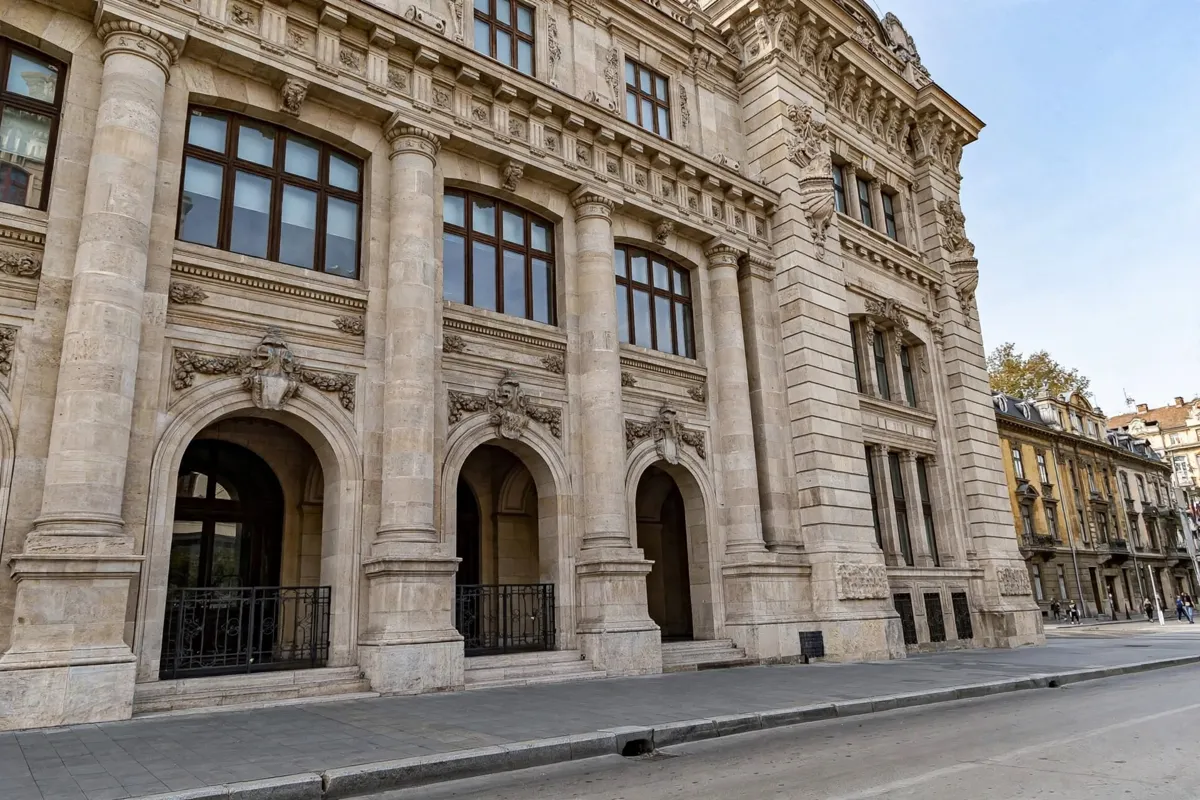
The museum’s three major permanent exhibitions cover precious objects, Roman history and archaeological stonework. Together, they offer several different ways into Romania’s past.
Historical Treasure
The Historical Treasure displays more than 3,000 objects made from precious metals and gems. It is one of the museum’s major permanent exhibitions and brings together objects of significant historical and material value.
Trajan’s Column Replica
This exhibition contains a full-size copy of the ancient monument in Rome. The replica gives visitors a chance to take in the column’s scale and detail as a single installation.
Lapidarium
The Lapidarium displays epigraphic and architectural monuments from Antiquity and the Middle Ages. Its collection includes civic and religious monuments, sculpture, and decorative and architectural elements.
The museum also presents temporary exhibitions. Since displays and gallery access can change, check the museum’s official site before you go for current exhibition details.
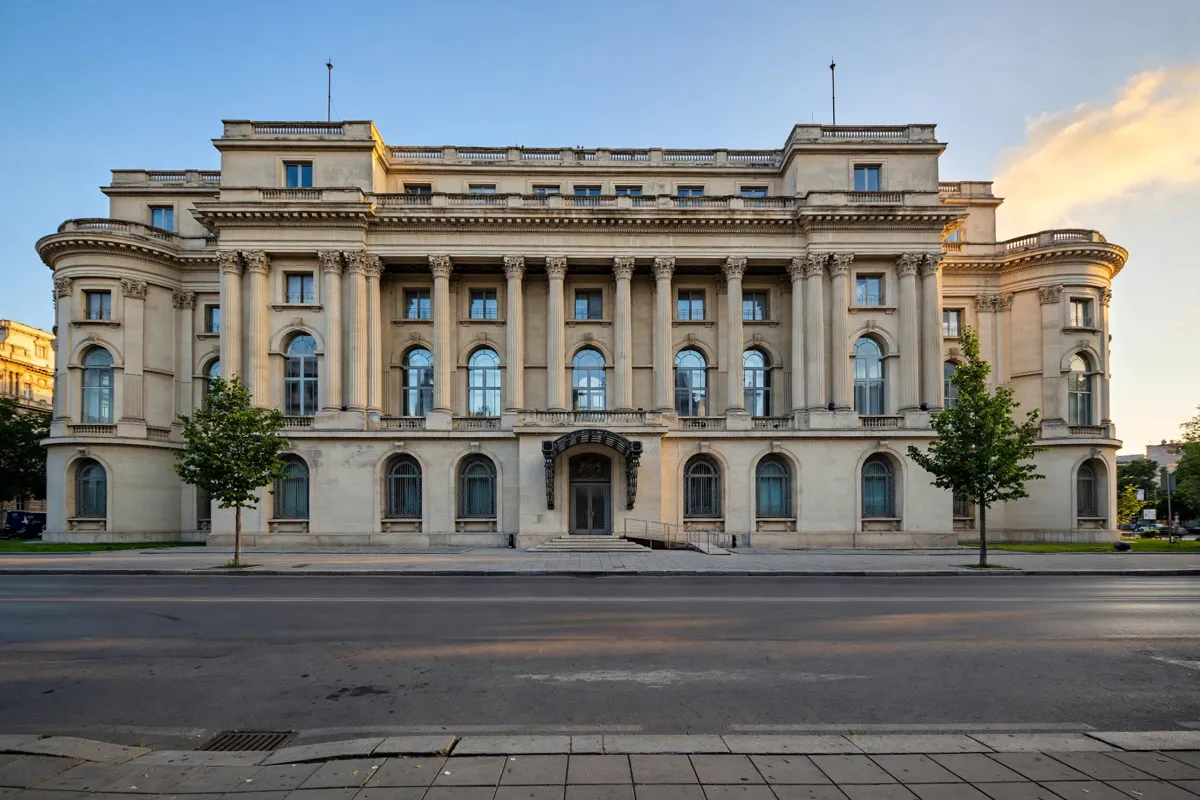
Tickets, opening times and visitor access
Check the museum’s official site before you go for current hours, ticket prices and access arrangements. Confirm the details for your visit.
Opening hours
- Wednesday to Sunday: 10:00–18:00
- Monday and Tuesday: closed
Last checked November 2026. Hours can change on holidays and for special events.
Admission is 32 RON for adults, 16 RON for seniors and 8 RON for students, adults with medium or light disabilities, and Euro 26 card holders. Seniors seeking the reduced rate should bring valid photo identification; students should have a valid student ID confirming university status.
If you use a wheelchair, contact the museum at least 48 hours before your visit, even if you do not need a guided tour. The museum says it does not have visitor parking. For visitor information, exhibitions, admission prices or guided-tour bookings, contact relatiipublice@mnir.ro or +40 21 313 19 25.
Large luggage, pets, umbrellas, food and drinks, chewing gum, sports equipment, firearms, ammunition, and chemical or toxic substances are not permitted in exhibition spaces. Photography and filming are allowed without flash; smoking, including e-cigarettes and heated tobacco, is forbidden.
How do you get to the museum by public transport?
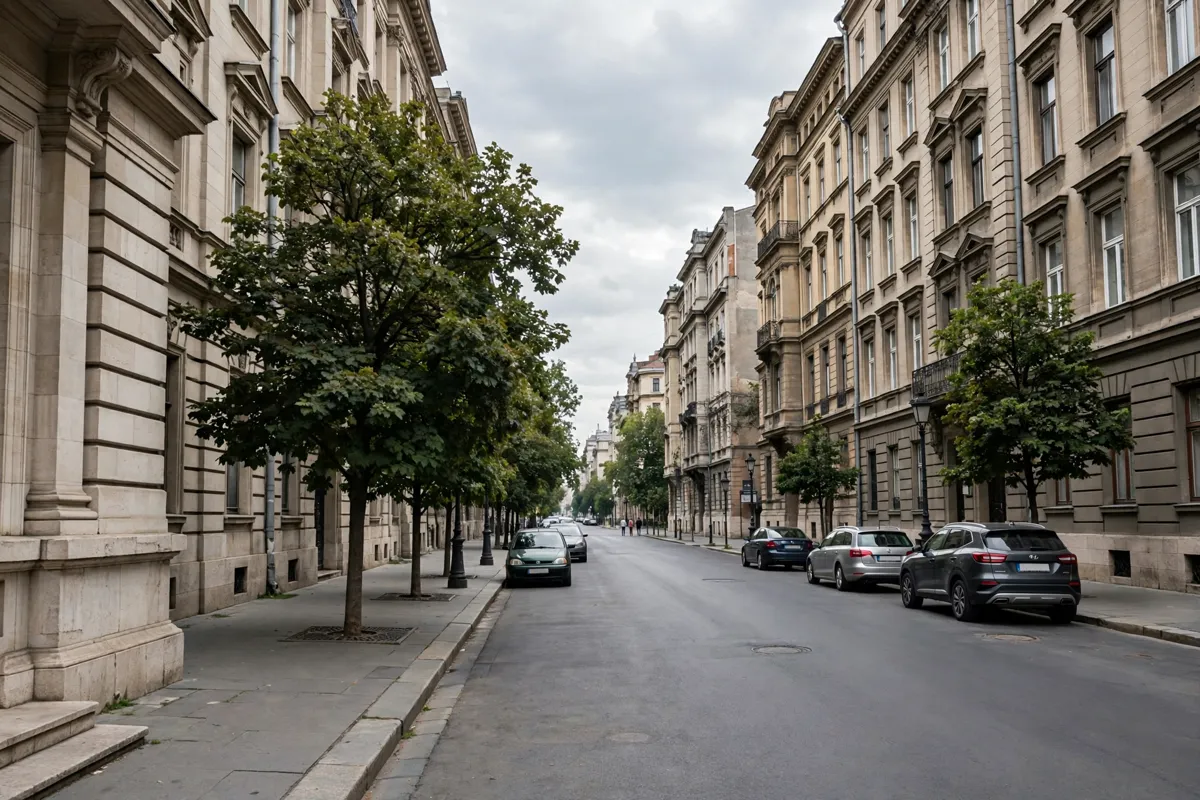
Universitate and Piața Unirii are the metro stations the museum identifies as nearby. The museum’s Romanian-language tariff information also names metro services at Piața Unirii 1, Piața Unirii 2 and Universitate; buses 104, 123, 124 and 385 at Piața Națiunilor Unite; and trams 7, 27 and 32.
From DeGoya Studios Bucharest Old Town, walk about 3 minutes to the museum at Palatul Poștelor.
With the museum on Calea Victoriei and Old Town sights close by, you can make the visit part of a walk through the district. Nearby stops include Stavropoleos Monastery and the historic Hanul Gabroveni, both useful additions to a route through the old streets.
Pairing the museum with Old Town sights
The museum fits naturally into a walk linking Calea Victoriei with Bucharest’s Old Town lanes. From its entrance, continue into the surrounding historic district, where the first-day walk through Bucharest Old Town includes a broader route through the area. Hanul Gabroveni is another nearby historic stop; its building adds a different architectural chapter to the walk.
If you are planning the Hanul Gabroveni visit, check its details before setting out and keep the museum’s hours in mind when arranging the order. Visiting the museum first can give the walk a history-focused start, while nearby streets provide room to continue on foot afterward.
FAQs
- Ticket
- desk closing time
What is the address of the National Museum of Romanian History?
It is at Calea Victoriei 12, Sector 3, Bucharest 030026, Romania, in the former Palace of the Posts.
Which permanent exhibitions are at the museum?
The three major permanent exhibitions are the Historical Treasure, the Trajan’s Column Replica and the Lapidarium.
Which days is the museum open?
Open Wednesday to Sunday; closed Monday and Tuesday. Published hours differ between the museum’s visitor listings. Check its official site before visiting to confirm the schedule and ticket-desk closing time.
Can you take photographs inside?
Photography and filming are allowed in exhibition spaces without flash.